What does Subhanallah (سُبْحَانَ ٱللَّٰهِ) mean?
Subhanallah is more than a word “it’s a reminder of Allah’s perfection. Discover its true meaning and bring deeper reflection into your daily dhikr.”
Published:
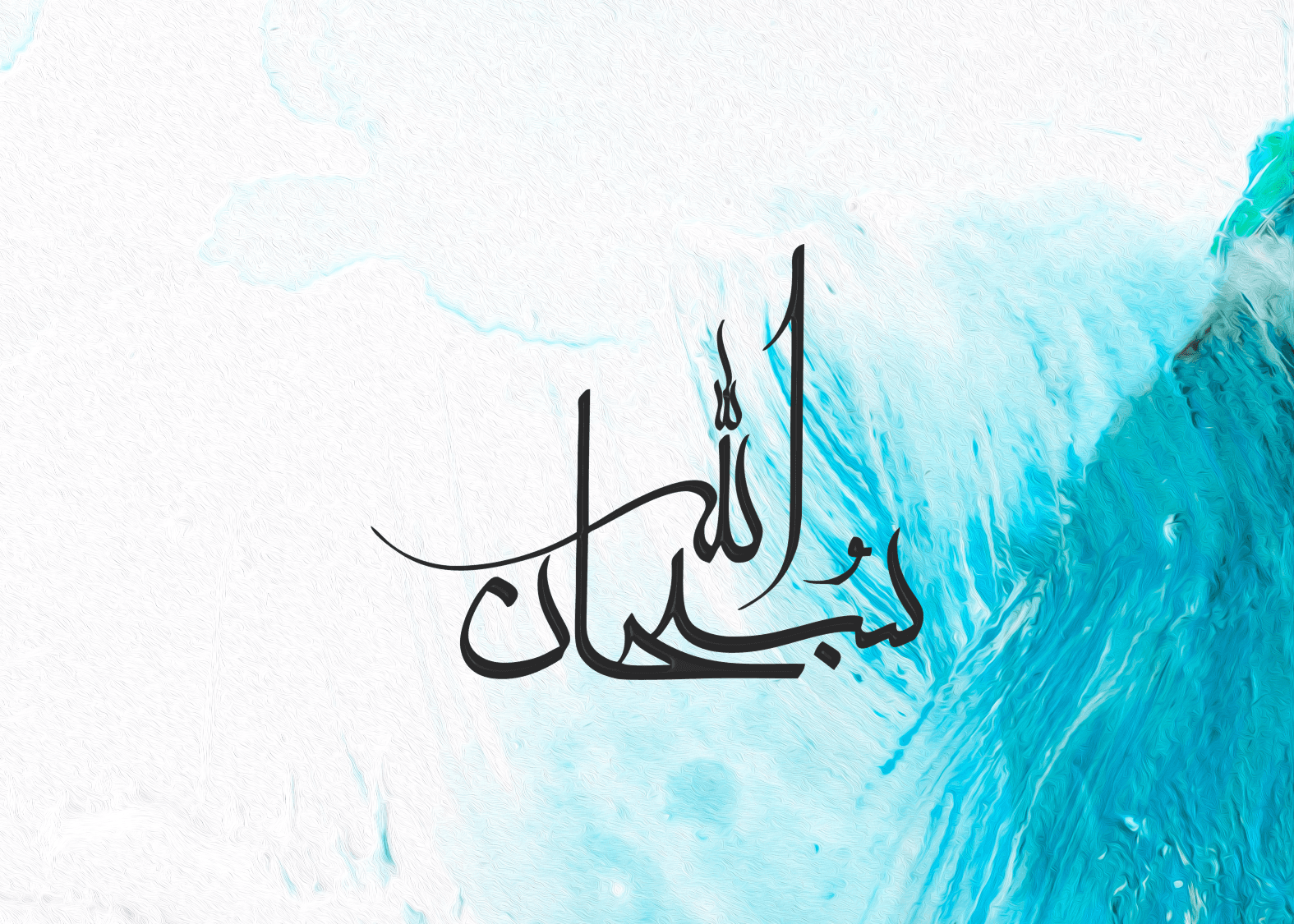
1. The Linguistic and Spiritual Meaning of Subhanallah (سُبْحَانَ ٱللَّٰهِ)
The word Subhanallah (سُبْحَانَ ٱللَّٰهِ) is derived from the Arabic root "s-b-ḥ" (س-ب-ح) which means to glorify, to declare perfection, or to be free from any imperfection.
So when you say Subhanallah (سُبْحَانَ ٱللَّٰهِ), it means you are declaring that "Allah is free from all faults, weaknesses, and imperfections."
It is a word of wonder, love, and profound respect to the Creator, acknowledging His perfection in nature and actions beyond human comprehension. In summary, Subhanallah (سُبْحَانَ ٱللَّٰهِ) means "Glory be to Allah" or "Exalted is Allah."
2. Subhanallah (سُبْحَانَ ٱللَّٰهِ) in the Quran
The Quran mentions Subhanallah in many verses, reminding us to glorify Allah whatever our state may be. One example is in Surah Al-Isra:
سُبْحَانَ الَّذِي أَسْرَىٰ بِعَبْدِهِ لَيْلًا مِّنَ الْمَسْجِدِ الْحَرَامِ إِلَى الْمَسْجِدِ الْأَقْصَى الَّذِي بَارَكْنَا حَوْلَهُ لِنُرِيَهُ مِنْ آيَاتِنَا ۚ إِنَّهُ هُوَ السَّمِيعُ الْبَصِيرُ
Glorified is He, Who transported His servant by night from Masjid al-Haram to Masjid al-Aqsa, whose environs We have blessed that We might show him some of Our signs. Indeed, He is the All-Hearing, the All-Seeing. (Quran 17:1 – quran.com)
This verse starts with Subhanalladhi, a form of Subhanallah, which teaches us to begin every reflection on Allah's power with glorification. It reminds us that every miracle, every event in creation, reflects His perfection.
3. Prophet Muhammad ﷺ and the Practice of Saying Subhanallah
Remembrance of Allah through short and meaningful phrases was something our Prophet often encouraged. Of these, Subhanallah is one that holds a special place.
He said:
كَلِمَتَانِ خَفِيفَتَانِ عَلَى اللِّسَانِ، ثَقِيلَتَانِ فِي الْمِيزَانِ، حَبِيبَتَانِ إِلَى الرَّحْمَٰنِ: سُبْحَانَ اللّٰهِ وَبِحَمْدِهِ، سُبْحَانَ اللّٰهِ الْعَظِيمِ
"Two words are light on the tongue, heavy on the scale, and beloved to the Most Merciful: Subhanallahi wa bihamdihi, Subhanallahil-Azim." (Sahih al-Bukhari 6406, sunnah.com)
This hadith highlights the Subhanallah benefits in Islam-a simple phrase that brings immense reward, loved by Allah, yet so easy to say.
4. The Daily Power of Saying Subhanallah (سُبْحَانَ ٱللَّٰهِ)
When we say Subhanallah (سُبْحَانَ ٱللَّٰهِ), we’re not only glorifying Allah — we’re also training our hearts to see His perfection in everything.
Here's how Subhanallah (سُبْحَانَ ٱللَّٰهِ) in Islam applies to daily life:
· When you see beauty: Whether it's a sunset, a child's smile, or a mountain view, saying Subhanallah connects your appreciation directly to the Creator.
· Surprise: When something surprises you, the reminder is to reinforce that everything happens out of Allah's perfect wisdom.
· During dhikr right after Salah: Prophet Muhammad ﷺ advised reciting Subhanallah 33 times after each prayer, along with Alhamdulillah and Allahu Akbar (Sahih Muslim 597).
· When asking for forgiveness: It has been said in another hadith that saying Subhanallah wa bihamdihi erases sins.
من قال: سبحان اللّٰه وَبِحَمْدِهِ في يَومٍ مِائَةَ مرۡٔةً، حُطۡتْ خَطَايَاهُ وَإِنْ كَانَتۡ مِثۡلَ زَبَدِ الۡبَحۡرِ
"Whoever says 'Subhanallah wa bihamdihi' a hundred times in a day will have his sins forgiven, even if they are like the foam of the sea." (Sahih al-Bukhari 6405, sunnah.com)
With these practices, How to Say Subhanallah becomes more than words; it becomes a reflection of your heart.
5. Subhanallah (سُبْحَانَ ٱللَّٰهِ) and Inner Peace
Dhikr (remembrance of Allah) is the medicine for the heart. The Quran says:
الَّذِينَ آمَنُوا وَتَطْمَئِنُّ قُلُوبُهُم بِذِكْرِ اللّٰهِ ۗ أَلَا بِذِكْرِ اللّٰهِ تَطْمَئِنُّ الْقُلُوبُ
“Those who believe, and whose hearts find their rest in the remembrance of Allah-for, surely, in the remembrance of Allah the hearts find their rest” (Quran 13:28 – quran.com)
Saying Subhanallah (سُبْحَانَ ٱللَّٰهِ) repeatedly builds mindfulness. You begin to notice signs of divinity around you, in your studies, your work, your family life. It’s a way of inviting calm into your thoughts.
For parents and teachers, the teaching of Subhanallah (سُبْحَانَ ٱللَّٰهِ) for beginners could be a means to inculcate gratitude and awareness right from their tender years. When children say Subhanallah (سُبْحَانَ ٱللَّٰهِ) upon seeing rain or a flower, they learn to connect beauty with belief.
6. How to Use Subhanallah (سُبْحَانَ ٱللَّٰهِ) in Daily Life
Here are some simple and practical ways to apply Subhanallah (سُبْحَانَ ٱللَّٰهِ) in your day:
ü Begin your morning dhikr with Subhanallah wa bihamdihi 10 times to start with gratitude.
ü Recite Subhanallah 33 times after prayers as taught by the Prophet ﷺ.
ü During work or studies, take short breaks to remember Subhanallah; it rejuvenates the concentration and humbles the heart.
ü When teaching children, explain the Subhanallah Arabic and English meaning: that it means Allah is perfect, and everything He does has wisdom.
ü At moments of emotion joy, stress, or awe make Subhanallah your automatic reaction.
In that sense, the phrase becomes your silent friend through the ups and downs in your life.
7. Why Subhanallah (سُبْحَانَ ٱللَّٰهِ) is so important
The importance of Subhanallah (سُبْحَانَ ٱللَّٰهِ) is through its simplicity. A believer who is always glorifying Allah carries light in the heart and calmness in the soul. The more you remember Allah, the more aware you become of His blessings. Prophet Muhammad ﷺ said that the earth itself will bear witness for those who remember Allah often. Your tongue moves, your heart feels gratitude, and even the places you sit become part of your record of good deeds. Next time you're in awe, moved, or grateful, stop for a moment and say Subhanallah(سُبْحَانَ ٱللَّٰهِ). You aren't just saying it; you're directly connecting with your Creator.
Conclusion
Subhanallah (سُبْحَانَ ٱللَّٰهِ) is more than a phrase; it's a way of looking at the world. Each time you utter it, you're affirming perfection from Allah and your own need for Allah. It calls for rumination, patience, and gratitude. So, whether you are a student learning about faith, a busy parent teaching your child, or one seeking peace-remember to glorify Allah often. That's how you keep your heart alive and your faith strong.
Subhanallah wa bihamdihi, Subhanallahil-Azim: Glory be to Allah and all praise is due to Him, Glory be to Allah the Almighty.
Created by “Abu Abur Rehman “ on 11th November 2025
Related Post

Dua before traveling - Protection, Safety, & Blessing
Travel with purpose, not just plans. Before every journey, make dua for protection, ease, and blessings—because true safety comes from trusting Allah.
Read More
The Magnificence of Laylat al-Qadr (Shab-e-Qadr): The Night of Divine Decree
Laylat al-Qadr, often referred to as Shab-e-Qadr, is the most blessed night in Islam, marking the revelation of the Quran to Prophet Muhammad (ﷺ). It is described in the Quran as "better than a thousand months" (Quran 97:3), offering believers an unparalleled opportunity for forgiveness, spiritual elevation, and eternal rewards.
Read More
The Blessings of Shawwal: A Month of Gratitude and Continuity
Shawwal, the tenth month of the Islamic lunar calendar, holds special significance as the month that follows Ramadan. It begins with the joyous celebration of Eid al-Fitr and offers believers opportunities to extend the spiritual momentum gained during Ramadan through ongoing worship and gratitude.
Read MoreGet the latest
SUBSCRIBE TO OUR NEWSLETTER!
Our most valuable blog insights are shared every two weeks. Stay connected on Facebook, Instagram, LinkedIn, YouTube, or subscribe below.